
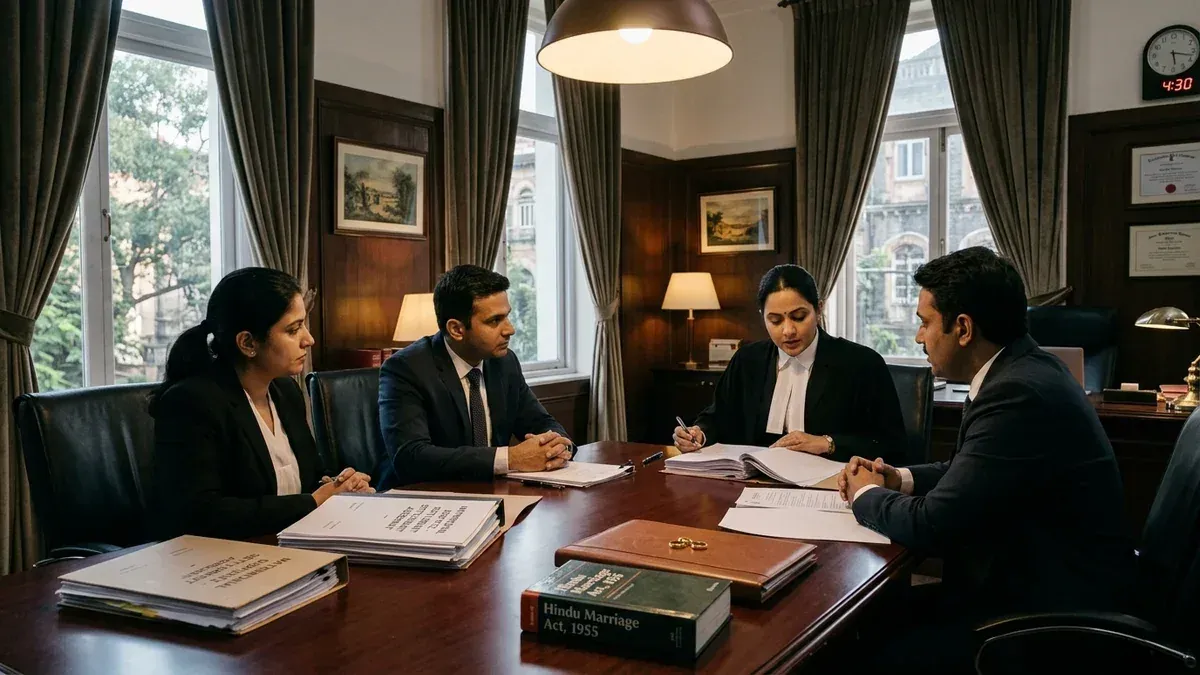
The Special Marriage Act, 1954 (SMA) is India's premier secular matrimonial code, enabling any two individuals—regardless of religious faith, caste, or nationality—to solemnize a lawful marriage without either party renouncing their religion or undergoing conversion. It provides a progressive sanctuary for inter-faith, inter-caste, and non-conformist couples.
However, the statutory process is often complicated by Section 5 and Section 6, which mandate a 30-day public notice period. In conservative societal settings, this window is frequently exploited by hostile family members, vigilante groups, and local authorities to intimidate couples, issue unwarranted objections, or attempt forced separations.
The Special Marriage Act, 1954 enables inter-faith and civil marriages without religious conversion. While Section 5 requires a mandatory 30-day public notice, objections can only be raised on strict statutory grounds such as age, subsisting marriage, or mental incapacity, rendering parental opposition legally untenable before the Marriage Officer.
1. Essential Conditions under Section 4 SMA
Under Section 4 of the Special Marriage Act, a marriage can be solemnized if the following conditions are met:
- No Subsisting Spouse: Neither party has a spouse living at the time of marriage.
- Valid Consent & Mental Capacity: Neither party is incapable of giving valid consent due to unsoundness of mind or mental disorder.
- Age Requirements: The male has completed 21 years of age, and the female has completed 18 years of age.
- Prohibited Degrees: The parties are not within the degrees of prohibited relationship, unless permitted by established custom governing at least one party.
2. The 30-Day Notice and Objections Procedure
The application procedure follows a structured statutory timeline:
"Under Section 7, any person may, before the expiration of thirty days from publication of notice, object to the marriage on the ground that it violates Section 4. Objections based on caste difference, religion, parental disapproval, or family honor are legally void and must be summarily rejected by the Marriage Officer."
- Submission of Notice: Notice is submitted to the Marriage Officer of the district where at least one party has resided for not less than thirty days immediately preceding.
- Inquiry under Section 8: If an objection is filed, the Marriage Officer has thirty days to inquire into the allegation. If the objection lacks statutory merit, the objector can be fined up to ₹1,000 for frivolous objections.
- Declaration & Witnesses: Both parties and three witnesses sign declarations under Section 11 before the Marriage Officer issues the official Marriage Certificate.
3. High Court Rulings on Privacy and Notice Display
To protect consenting adult couples from honor-based violence:
The Supreme Court formulated authoritative parameters governing mental cruelty under Section 13(1)(ia) of the Hindu Marriage Act, holding that sustained reprehensible conduct, prolonged separation, baseless character assassination, and total destruction of the matrimonial bond constitute actionable cruelty. The Bench held that where a marriage is irretrievably broken down, forcing estranged spouses to remain legally bound constitutes protracted mental cruelty.
- No Police Verification or Home Notices: In Pranav Kumar Mishra (Delhi HC) and Safiya Sultana (Allahabad HC), courts held that sending notices to parental homes or publishing them in newspapers violates the fundamental right to privacy under Article 21.
- Optional Notice Display: The Allahabad High Court ruled that making public display of notice mandatory infringes personal liberty, making it optional upon the couple's express request.