
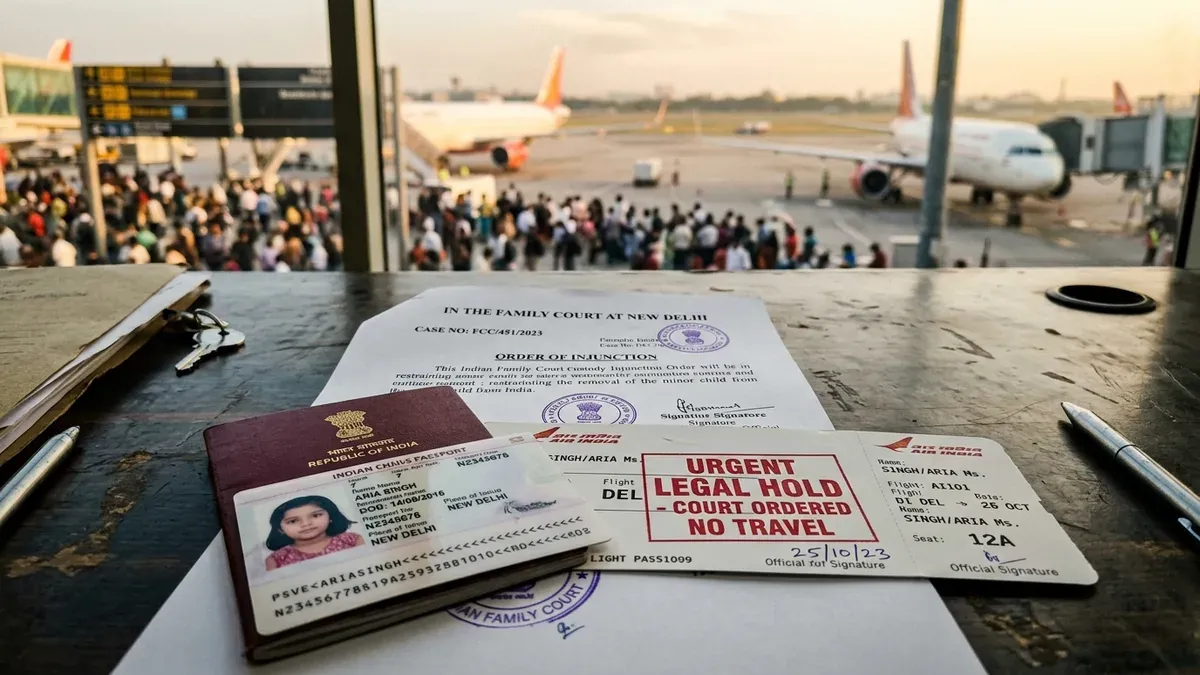
In bitter matrimonial divorces, a tragic and increasingly prevalent psychological pathology is Parental Alienation Syndrome (PAS). In an effort to punish the estranged spouse, the custodial parent intentionally conditions, brainwashes, and manipulates the minor child into harboring intense fear, hatred, and revulsion against the non-custodial parent, destroying the child’s natural emotional bond.
Historically, Indian courts struggled to recognize parental alienation, often mistaking the programmed hostility of a coached child for genuine preference. However, in the landmark ruling of Vivek Singh v. Romani Singh (2017 3 SCC 231), the Supreme Court of India formally recognized Parental Alienation as a severe form of psychological child abuse, setting precedent for Family Courts to reverse custody and order psychiatric intervention.
Parental Alienation Syndrome (PAS) occurs when one custodial parent systematically poisons a child's mind to instill unjustified hostility against the other. In Vivek Singh, the Supreme Court recognized parental alienation as psychological child abuse, ordering custody transfers and mandatory psychiatric counseling to restore vital natural parent-child emotional bonds.
1. Recognizing the Manifestations of Parental Alienation
Parental alienation exhibits classic clinical and behavioral symptoms in custody litigation:
- Unjustified Campaign of Denigration: The child parrots scripted, adult accusations against the non-custodial parent using language far beyond their developmental age.
- Absence of Ambivalence: The child views the alienating parent as all-good and perfect, while demonizing the non-custodial parent as entirely evil.
- Reflexive Support for Alienating Parent: The child blindly defends the custodial parent in every courtroom interaction without independent reasoning.
- Sabotaging Court-Ordered Visitation: Creating artificial illnesses, sports tournaments, or coaching classes exactly on scheduled visitation dates.
2. The Vivek Singh Benchmark: Custody Transfer as Remedy
In Vivek Singh v. Romani Singh, the Supreme Court observed that prolonged isolation of a minor girl from her mother resulted in psychological alienation. The Court held:
"A child has a right to the love and affection of both parents. Systematically alienating a child from one parent inflicts permanent developmental trauma on the child's psyche. In extreme cases of alienation, the court must step in as parens patriae and transfer custody to the alienated parent to restore psychological equilibrium."
3. Procedural Remedies for Alienated Parents
When facing parental alienation in a pending custody dispute, counsel should immediately seek:
- Appointment of Independent Child Psychologist: Application under Section 12 GWA for neutral clinical evaluation by premier institutions (like NIMHANS or AIIMS Department of Psychiatry).
- Unmonitored Out-of-Court Overnight Access: Removing the child from the physical control of the alienating parent during weekends to allow natural de-programming.
- Contempt and Custody Reversal: Filing contempt of court under Contempt of Courts Act, 1971 for persistent denial of visitation, accompanied by a prayer for transfer of primary custody.
Landmark Judicial Precedents & Statutory Authorities
Courts and appellate tribunals across Delhi NCR (Faridabad, Saket, Tis Hazari, Gurugram, High Courts) strictly apply these authoritative Supreme Court benchmarks:
The Supreme Court reaffirmed the three mandatory golden tests for grant of interlocutory injunctions under Order XXXIX Rules 1 and 2 of the Code of Civil Procedure: (i) strong prima facie case, (ii) balance of convenience tilted in applicant's favor, and (iii) imminent threat of irreparable injury not compensable in monetary damages. The Court held that temporary relief cannot be granted mechanically without judicial application of mind.