
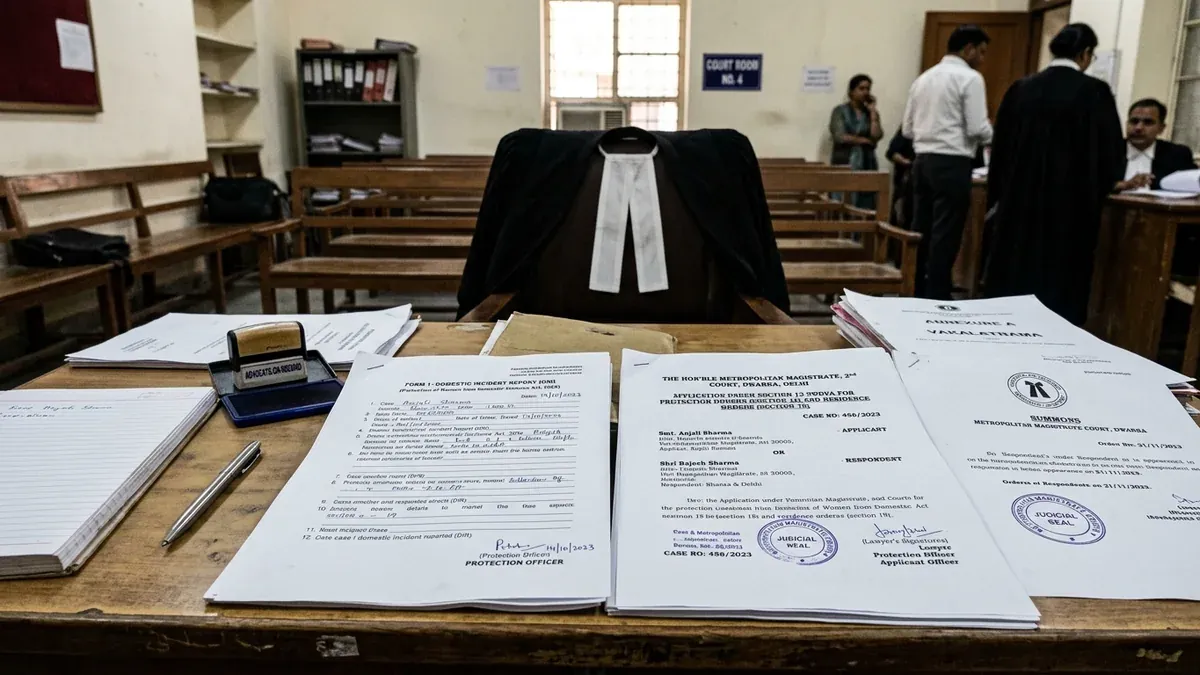
Section 23 of the Protection of Women from Domestic Violence Act, 2005 (PWDVA) grants Judicial Magistrates extraordinary emergency powers. Under Section 23(2), if the Magistrate is satisfied from the application that the respondent has committed an act of domestic violence or that there is a likelihood of such act, they can pass ex-parte interim orders without even issuing notice or hearing the respondent husband.
While crafted as an urgent protective shield for battered women, Section 23 is routinely wielded in acrimonious divorces to extract oppressive ex-parte monetary relief, freeze matrimonial homes, or obtain unilateral custody. Defending against such summary orders requires rapid appellate intervention and aggressive evidentiary counter-filings.
Section 23 of the Domestic Violence Act empowers Magistrates to pass ex-parte interim orders granting monthly maintenance, residence rights, or custody based solely on an affidavit. Aggrieved respondents can challenge unreasoned interim orders through an appeal under Section 29 PWDVA, proving lack of domestic relationship, separate residence, or concealed income.
1. Types of Interim Orders Granted under Section 23
The Magistrate can grant interim relief spanning multiple statutory provisions under PWDVA:
- Section 18 (Protection Orders): Prohibiting the respondent from entering the aggrieved person's workplace or communicating with her.
- Section 19 (Residence Orders): Directing the respondent to secure alternate accommodation or restraining dispossession from a shared household.
- Section 20 (Monetary Relief): Ordering immediate monthly maintenance, medical expenses, and compensation for financial loss.
- Section 21 (Custody Orders): Awarding temporary custody of minor children and restricting parental visitation.
2. Strategic Defenses to Vacate or Reduce Interim Orders
Respondents can dismantle non-speaking or disproportionate Section 23 orders using targeted legal grounds:
"An ex-parte interim maintenance order passed without examining the respondent's actual income tax returns, liabilities, and existing maintenance awards under Section 125 CrPC or Section 24 HMA is arbitrary and vulnerable to being stayed on appeal."
- Absence of Domestic Relationship: Proving that the parties did not reside together in a shared household during the relevant period.
- Mandatory Asset Disclosures: Forcing the complainant wife to submit the comprehensive income affidavit mandated by the Supreme Court in Rajnesh v. Neha.
- Adjustment of Maintenance: Enforcing the statutory rule that maintenance awarded under Section 20 DV Act must be adjusted and set off against sums awarded under Section 144 BNSS or Section 24 HMA.
3. Statutory Appeal under Section 29 PWDVA
An ex-parte or interim order passed under Section 23 is directly appealable:
- Sessions Court Jurisdiction: The appeal lies to the Court of Session within 30 days from the date of service of the order under Section 29 PWDVA.
- Stay of Monetary Orders: Sessions Judges frequently stay or drastically slash inflated maintenance awards upon deposit of a reasonable percentage of arrears.
- High Court Revision: If the Sessions Court declines relief, a criminal revision petition under Section 438/442 BNSS lies before the High Court.
Landmark Judicial Precedents & Statutory Authorities
Courts and appellate tribunals across Delhi NCR (Faridabad, Saket, Tis Hazari, Gurugram, High Courts) strictly apply these authoritative Supreme Court benchmarks:
The Supreme Court mandated comprehensive procedural guidelines across all maintenance proceedings in India (Section 125 CrPC / Section 144 BNSS, DV Act, HMA Section 24), requiring both spouses to file comprehensive Affidavits of Assets and Liabilities. The Bench established that maintenance must be awarded from the date of application to prevent procedural delays from prejudicing dependent spouses and minor children.