Approval of Resolution Plan Under IBC: Section 32A Clean Slate & Directors' Section 138 Liability

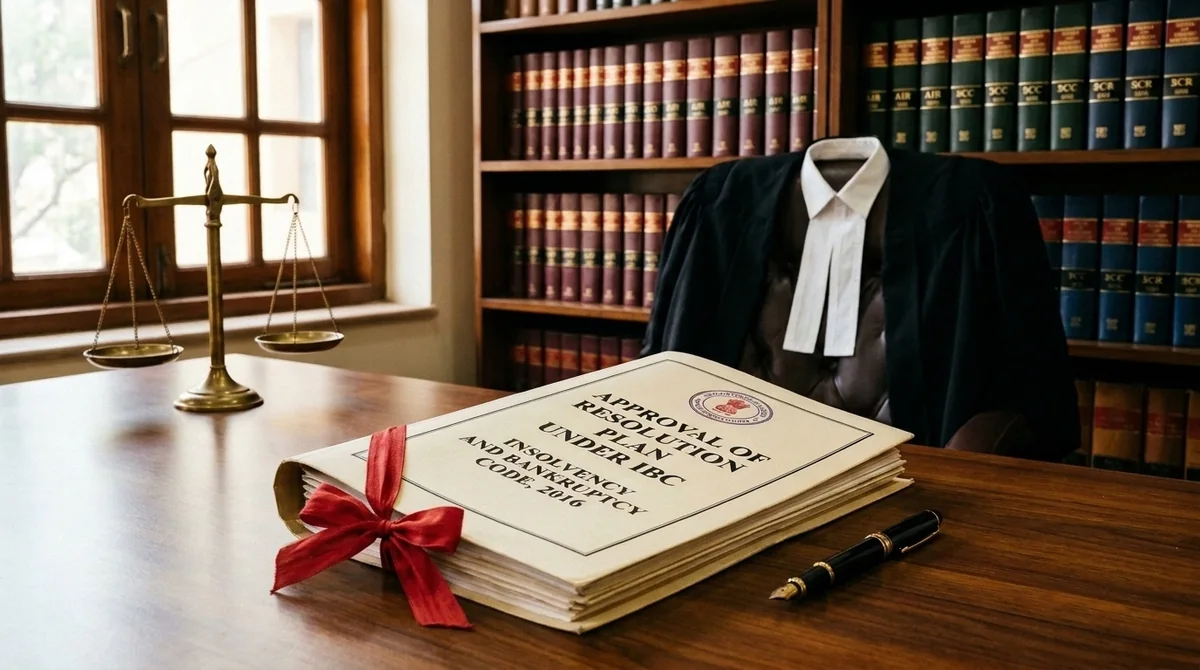
Executive Legal Brief
- Section 32A of the Insolvency and Bankruptcy Code (IBC), 2016 grants a statutory 'clean slate' immunity to the corporate debtor upon NCLT approval of a Resolution Plan.
- In P. Mohanraj v. Shah Brothers Ispat Pvt. Ltd. (2021), the Supreme Court established that Section 14 IBC moratorium covers Section 138 cheque bounce proceedings against the corporate debtor.
- In the landmark 3-judge bench ruling in Ajay Kumar Radheyshyam Goenka v. Tourism Finance Corporation of India (2023), the Supreme Court settled that the approval of a Resolution Plan or debt extinguishment does NOT discharge signatory directors from Section 138/141 criminal prosecution.
- The criminal liability under Section 138 is penal, designed to punish the drawer for dishonest commercial conduct, and operates completely independently of the civil recovery or bankruptcy haircut.
Key Statutory Provisions & Regulatory Framework
| Statutory Provision / Doctrine | Legal Operation & Judicial Impact |
|---|---|
| Section 32A IBC, 2016 | Liability for prior offences ceases for corporate debtor upon approval of resolution plan, but survives against former management. |
| Section 14 IBC, 2016 | Moratorium on institution and continuation of proceedings, held to include Section 138 NI Act cases in P. Mohanraj. |
| Ajay Kumar Goenka (2023) 10 SCC 545 | Supreme Court: Extinguishment of corporate debtor's debt under IBC does not absolve directors of criminal liability under Sec 138/141. |
| Section 141 NI Act | Deemed personal penal liability of individuals who were in charge and responsible for company's business. |
1. The Clash of Statutes: The IBC Code vs The Negotiable Instruments Act
In recent years, commercial jurisprudence in India has been dominated by the intersection of the Insolvency and Bankruptcy Code, 2016 (IBC) and the Negotiable Instruments Act, 1881. When a corporate debtor enters the Corporate Insolvency Resolution Process (CIRP), creditors who hold dishonoured cheques face a critical question: What happens to pending Section 138 criminal trials against the company and its promoter-directors?
In P. Mohanraj & Ors. v. Shah Brothers Ispat Pvt. Ltd. (2021) 6 SCC 258, the Supreme Court held that the Section 14 IBC moratorium encompasses Section 138 proceedings against the corporate debtor. However, the court explicitly noted that the moratorium shields only the corporate debtor, leaving the natural human directors vulnerable to continued prosecution.
2. The Landmark Ajay Kumar Radheyshyam Goenka Doctrine
Following the completion of CIRP, when an NCLT bench approves a Resolution Plan under Section 31 IBC, financial creditors typically accept significant haircuts (often 50% to 90% of their claims). Directors argued that because the underlying debt was extinguished, compromised, or satisfied under an approved Resolution Plan, there was no longer any 'legally enforceable debt' surviving under the Explanation to Section 138.
In Ajay Kumar Radheyshyam Goenka v. Tourism Finance Corporation of India Ltd. (2023) 10 SCC 545, a 3-judge bench of the Supreme Court delivered the definitive verdict:
3. Section 32A Proviso: The Statutory Barrier to Director Immunity
Section 32A of the IBC codifies the famous 'Clean Slate' Doctrine, providing that the liability of a corporate debtor for an offence committed prior to the commencement of CIRP shall cease upon approval of a resolution plan if the management changes hands.
However, the proviso to Section 32A(1) contains an unequivocal legislative barrier:
'Provided that if a prosecution had been instituted during the corporate insolvency resolution process, or at any time prior to its approval, against any person who was a promoter or in the management or control of the corporate debtor or a related party... such person shall continue to be liable to be prosecuted and punished for such an offence...'
Parliament expressly ensured that the corporate shield of revival would not become a personal escape hatch for dishonest promoters and directors. The new resolution applicant takes over an unburdened company, while the former management continues to stand trial before the criminal Magistrate.
4. Courtroom Defense Strategy: Managing Parallel IBC and Section 138 Litigation
Directors navigating simultaneous Section 138 trials and corporate insolvency must deploy coordinated defense measures:
- Drop the Corporate Debtor: Move an application before the trial Magistrate seeking dropping/abatement of proceedings against the company itself under Section 32A IBC.
- Distinguish Personal Merits: Do not rely on the IBC debt discharge as a defense for directors; instead, build defense on core NI Act grounds (lack of active involvement under Section 141, defective statutory notice, or security cheque status).
- Plea of Compounding: If the creditor's claim was partially paid under the resolution plan, negotiate compounding under Section 147 NI Act, using the recovered funds as leverage to secure withdrawal of criminal charges.
Disclaimer: This article is published strictly for academic and educational purposes under the Advocates Act, 1961. It does not constitute formal legal advice, solicitation, or advertisement under Rule 36 of the Bar Council of India Rules, nor does it create an advocate-client relationship. For case-specific legal counsel, readers should consult an independent advocate.
Frequently Asked Questions
Can a director argue that because the creditor accepted a 60% haircut in NCLT, the Section 138 case must be dropped?
NO. The Supreme Court in Ajay Kumar Goenka held that an IBC resolution plan is an involuntary statutory settlement for corporate revival; it does not erase the pre-existing criminal act committed by the directors under Section 138.
Is the corporate debtor company dropped from the Section 138 trial once the Resolution Plan is approved?
YES. Under Section 32A IBC, the prosecution against the corporate debtor itself is extinguished. However, the trial continues against the signatory and managing directors.
Does a personal insolvency moratorium under Section 96/101 IBC stay Section 138 proceedings against individual promoters?
Section 96/101 stays 'any legal action or proceeding in respect of any debt'. While High Courts have taken divergent views, the Supreme Court's emphasis in Ajay Goenka and P. Mohanraj clarifies that Section 138 is a penal proceeding, not a debt recovery suit.

Advocate Kishan Kumar
Criminal, Civil & Recovery Advocate • Bar Council of Delhi